Island Life During the Pandemic: How We Managed Laundry on Boracay
A year into the COVID-19 pandemic, life in our 35 sqm Makati condo had become its own kind of exhausting. Not just the isolation, but the sameness of it. The same walls. The same desk. The same view from the same window. Work, rest, meals, meetings, and weekends all happened in that one space, and after enough months of it, the place started to feel less like home and more like a holding pattern.
When restrictions started to loosen in 2021 and we heard that local travel was slowly reopening, we did not overthink it. The search was immediate: can we go to Boracay?
The answer, with the right documents and careful preparation, was yes.
Why Boracay
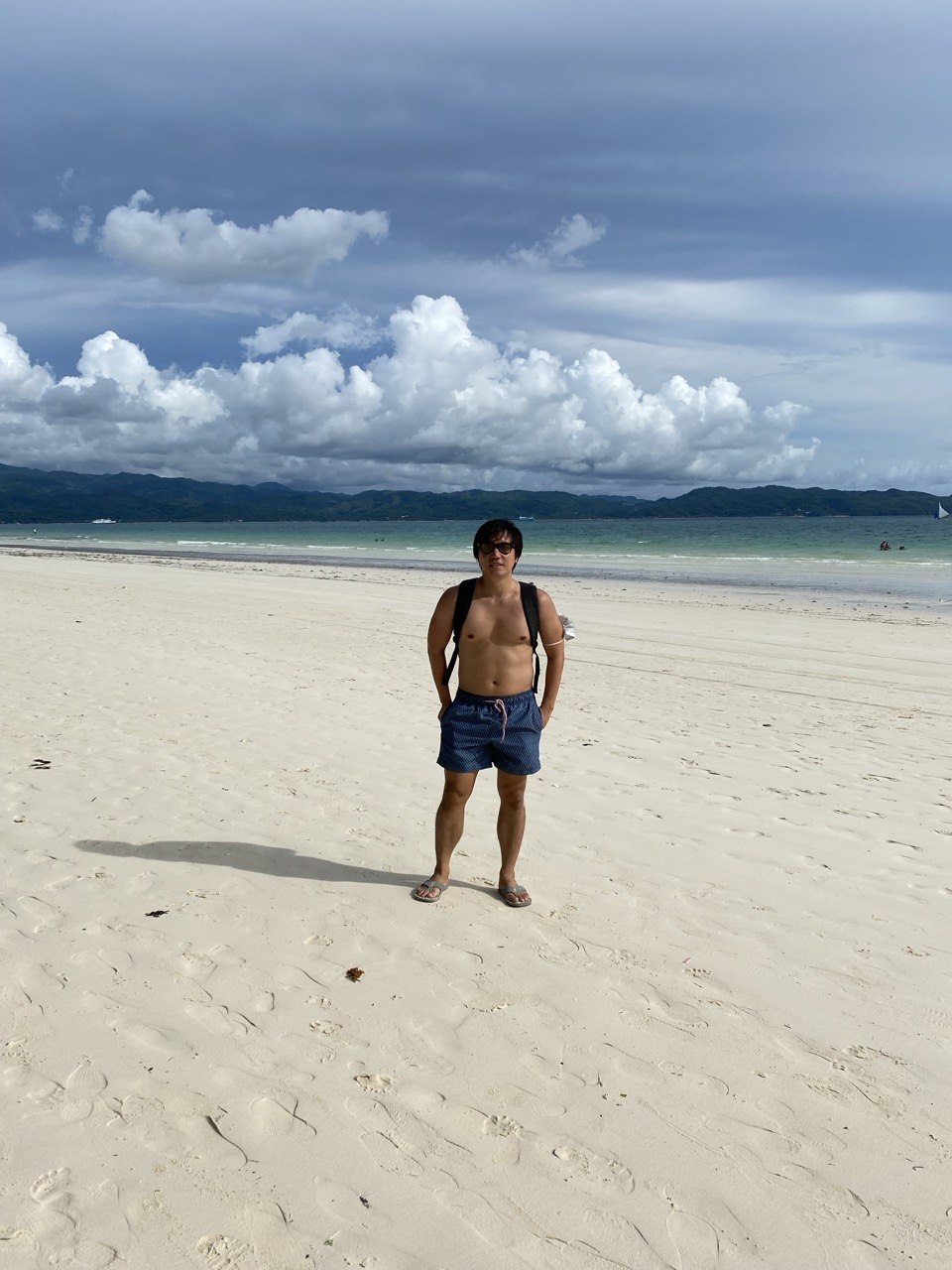
For anyone who has not been, Boracay is one of the most iconic beaches in the Philippines and honestly one of the most recognized in the world. White Beach is what people come for: ultra-fine, powdery sand that stays cool even at midday, so bright and reflective that you almost need sunglasses for the shore itself, not just the sun. It sounds like marketing copy until you actually stand there barefoot at noon and realize it is just true.
What made 2021 different was that almost nobody else was there. The island had already been through a government-mandated closure before the pandemic for environmental rehabilitation. Then the pandemic hit. What we walked into was a version of Boracay that most people never get to see: calm, unhurried, mostly locals, and stretches of that famous beach with almost no one on them.
The House We Found With Zero Expectations
We booked everything quickly. Flights, entry requirements, health documents, all sorted based on the protocols at the time. We found a five-bedroom, two-story house in Station 2 through an online listing, and we booked it with genuinely no expectations. Prices were significantly lower than usual. We figured: good enough.
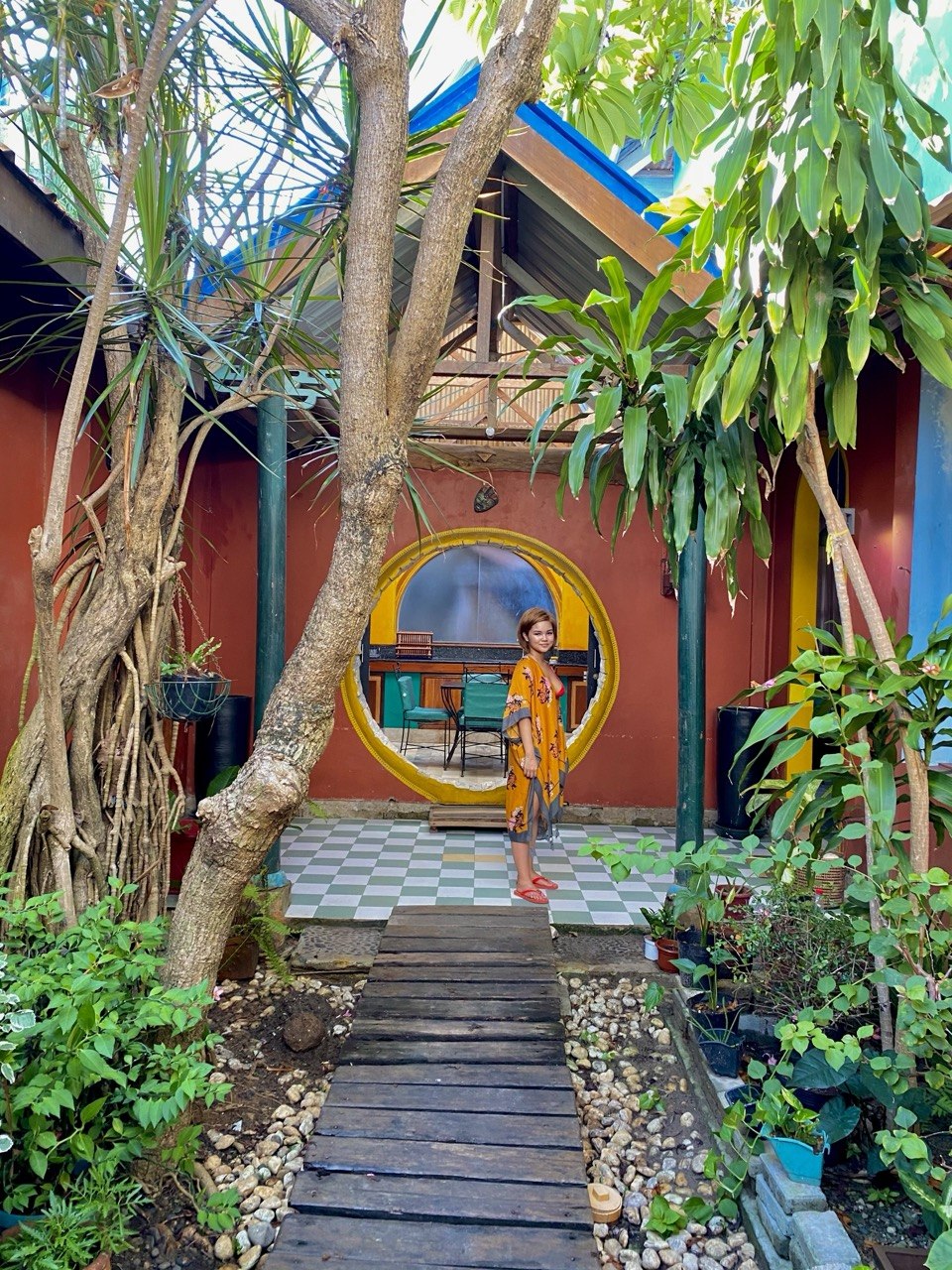
When we arrived, it was better than we expected. Not beachfront, but seconds from the main road and less than two minutes from a beach entrance. A quiet neighborhood with small nearby stores. It had everything we needed for daily living, and the size of it after a year in a 35 sqm condo felt almost absurd.
For a few days, things felt close to normal. Then the restrictions tightened again.
A Stricter Lockdown, a Quieter Island
Shortly after we arrived, movement restrictions became stricter. Shops closed. Tourists who had just started coming back mostly disappeared. We were on an island with limited mobility and a lot of unplanned free time.
In another situation, that would have felt like a trap. Here, it just felt quiet. The beach was nearly empty. The water was clear. The sand was exactly what everyone says it is. We had five bedrooms and a whole island to ourselves, in a manner of speaking.
What was supposed to be a short break stretched into almost two months. We stopped counting the days and started treating it like where we actually lived.
What It Actually Feels Like to Live on an Island
We settled into a rhythm. Early morning runs or swims before the heat peaked. Coffee somewhere near the beach. Work and calls through the middle of the day. Sunset breaks that were impossible to skip. Simple dinners and late-night conversations with genuinely nothing else competing for attention.
It was the first time I had experienced island life not as a tourist with a return flight to catch, but as someone just living there. We wore simple, repeatable clothes, mostly for swimming, running, or moving around in the heat. We started going to the market. We learned which stores had what. We haggled on prices and explored parts of the island that are not in any travel guide.
At some point, we had a half-serious conversation about buying property. Island life has a way of doing that to you after about three weeks.
The Problem Nobody Mentions When They Talk About Island Life
Everything felt manageable until we realized we had not thought about laundry at all.
The house did not have a washing machine. For daily clothes, we did what you do: hand washing while bathing, hanging things in the drying area, rotating the same pieces. For light workout clothes and swimwear, this worked well enough. But the island environment had its own way of complicating things. Unpredictable rain showers. Humidity that never really drops. Salt from the sea on everything.
Clothes dried, technically. But not the way you would expect from a proper wash. There was a stiffness to things that did not go away. A freshness that was always slightly off. Fine for a week. Not fine for two months.
Sheets, Towels, and Having Guests
Hand washing handles daily clothes. It does not handle towels, bedsheets, blankets, or denim. Not in volume, and not to any standard you would actually want.
I am particular about clean sheets and towels in a way I am not particularly proud of. When friends and family started visiting during those two months, some staying for a week or more, the problem became harder to work around. There was no housekeeping. No service. Everything was on us, and hand washing a set of bedsheets for five bedrooms in the humidity of Boracay is not something I recommend trying.
We needed a laundry service. Finding one turned out to be harder than it should have been.
How We Actually Found a Laundry Shop
At that point in the pandemic, many establishments were still closed or operating inconsistently. Online listings were unreliable. Hours had changed, some shops had closed permanently, and what showed up in a search did not always match what was actually open when you walked there.
We considered asking around for someone local who could help with washing. We did not know anyone well enough yet. Eventually, we got a referral through a hotel staff member nearby, someone who knew the island and knew what was actually operating at the time.
The shop they pointed us to was not on any main road. We would never have found it on our own. No visible sign from the street, no listing we had seen. Just a recommendation from someone who knew.
What a Good Laundry Service Actually Gives You
The shop turned out to be a commercial service, the kind that hotels outsource their linen to. Not a small neighborhood wash-and-fold. Actual equipment, actual process.
When we got our things back, everything was properly cleaned. Sheets and towels that smelled fresh and felt reset. Clothes that actually felt like clothes again rather than something that had been repeatedly dried in salty, humid air. It was such a simple thing and it changed how the rest of the stay felt.
There is a specific satisfaction to clean linens that is hard to describe to anyone who has not been without them for a few weeks. It is the kind of thing you take completely for granted at home.
DIY vs. Laundry Service: What We Actually Learned
Looking back, both had their place. The question was not which one to use, it was knowing when each one made sense.
| Situation | DIY Laundry | Laundry Service |
|---|---|---|
| Daily clothes, light use | Practical | Not needed |
| Towels and bedsheets | Difficult | Best option |
| Extended stay setup | Limited | Necessary |
| Island conditions (humidity, salt air, rain) | Challenging | Reliable |
For a trip of a week or less, DIY is probably fine with a light wardrobe. For anything longer, especially in a tropical environment, finding a reliable laundry service is not optional. It is part of how you actually live there.
Looking Back
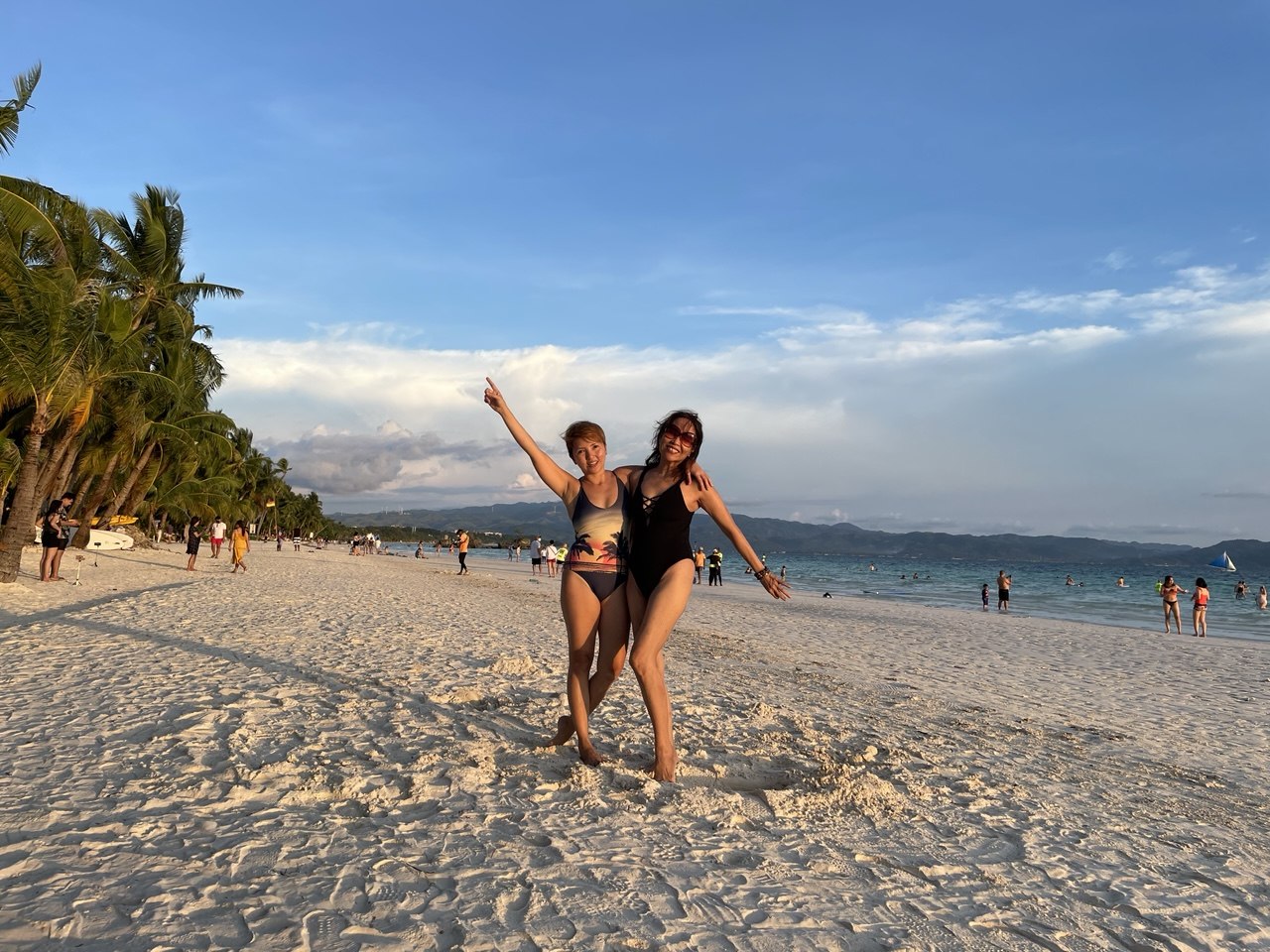
Despite all of it, the two months we spent on Boracay during the pandemic are genuinely some of the most memorable we have had. The slower pace. The empty beach in the morning. The version of the island that most visitors never see. There is something about being somewhere like that when the usual crowds are gone that changes how you experience it.
The laundry situation, which sounds minor in retrospect, was actually one of the more clarifying parts. It made us realize how much everyday logistics shape how comfortable a longer stay actually feels. Clean clothes and fresh sheets are not a luxury when you are somewhere for two months. They are just part of living.
At the time, finding that laundry shop required a personal referral and some luck. We would have saved time and a fair amount of stress with something like LaundryAtlas to check what was actually open nearby. Tools like that matter more than you realize until you are in a situation where you really need one.
If you are planning a longer stay on Boracay or anywhere in the Philippines and want to find laundry shops near where you are staying, you can browse verified laundry shops across the Philippines before you travel.