How to Wash Barong Tagalog and Delicate Filipino Fabrics (Without Ruining Them)
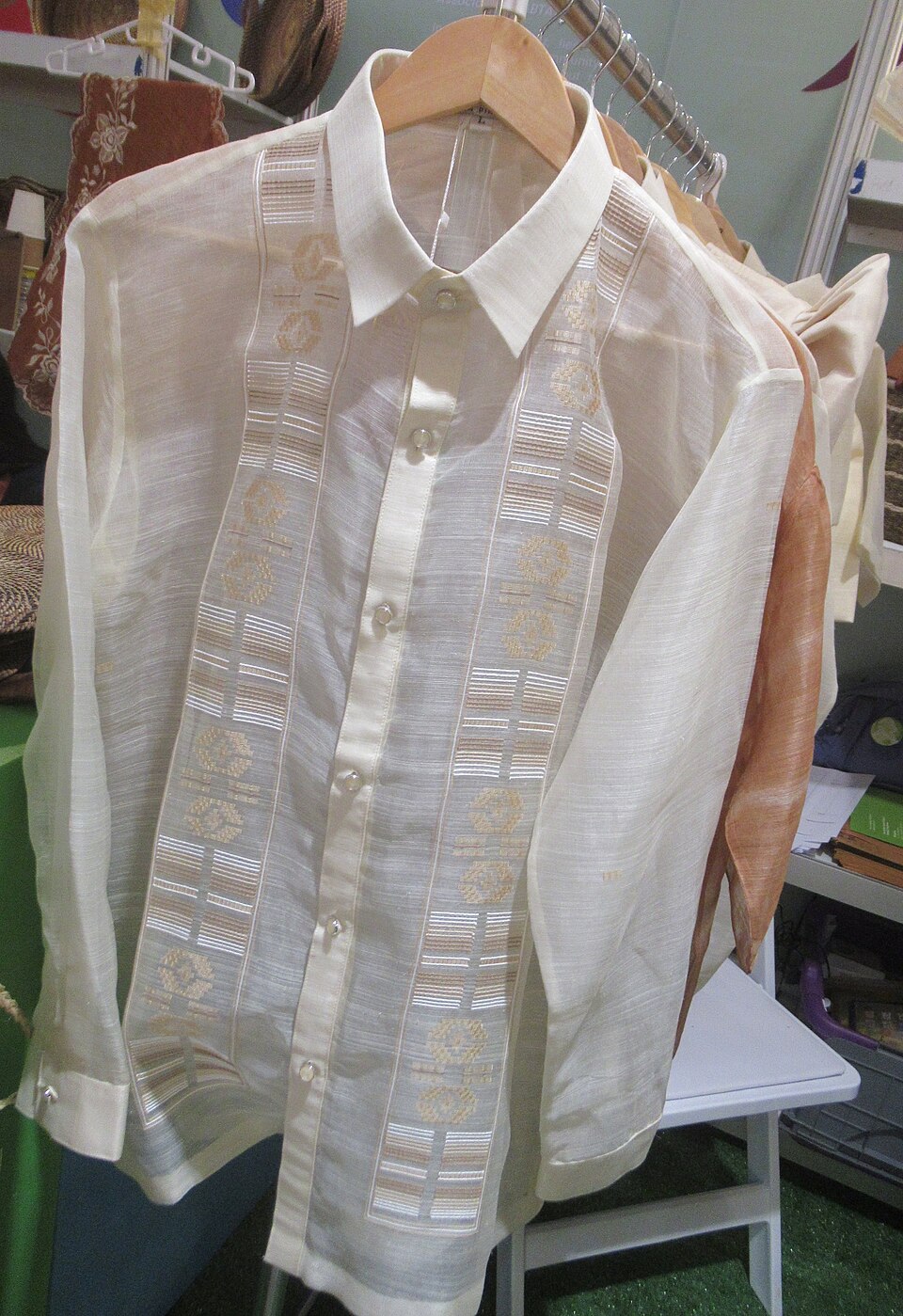
I've been to more weddings, galas, and client events than I can count. Not as a professional event planner, but because that's just the world I move in. I'm a designer, and my work involves a lot of showcasing and socializing. Add to that my personal love of being part of celebrations, and I've found myself at a lot of formal and semi-formal occasions over the years.
One thing I've learned from all of it: I don't need a new outfit every time. What I need is to take really good care of the ones I already have.
That goes for my own dresses (yes, some of them are delicates that absolutely cannot go in the washing machine), but it also goes for the barong tagalog pieces I manage for my family. My husband, my father, my brothers-in-law. When there's a wedding or a formal event, I'm usually the one who makes sure their barongs are clean, pressed, and ready to wear.
And let me tell you, barongs are not something you just throw in with the whites.
What Makes Barong Tagalog So Delicate?
The barong tagalog is the Philippines' national formal garment, and it's made from some of the most beautiful and fragile fabrics you'll ever encounter.
The most traditional barong fabrics include:
- ·Piña: woven from pineapple leaf fibers, extremely fine and prone to deformation
- ·Jusi: a silk-pineapple blend, lighter than piña and slightly more forgiving
- ·Organza: synthetic or silk-based, thin and structured
- ·Cocoon silk: incredibly delicate, often hand-embroidered
The embroidery alone is a reason to be careful. Many barongs feature intricate hand-stitched patterns called calado or bordado that can snag, pull, or distort with the wrong washing method. Machine washing is almost always a bad idea.
Can You Wash a Barong at Home?
Honestly, it depends on the fabric and how dirty it is.
For sweat and light body odor, some jusi barongs can handle a very gentle hand wash. But for piña, heavily embroidered pieces, or anything with detailing on the sleeves or collar, professional cleaning is strongly recommended.
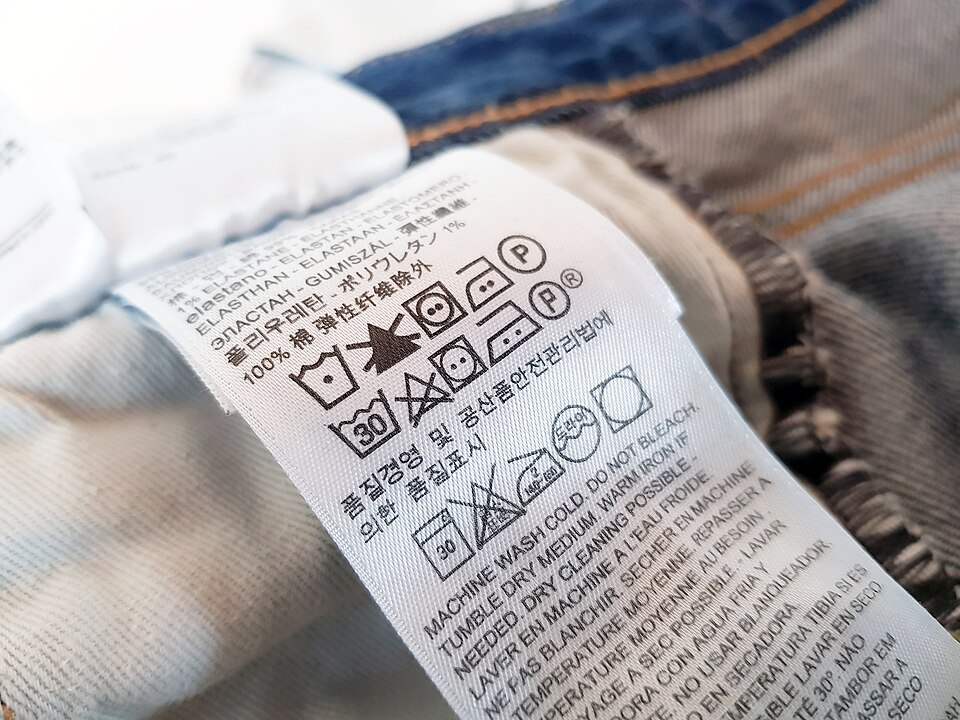
Here's the test I use: check the care label first. If it says “dry clean only,” follow that instruction. If it says hand wash, proceed carefully. If there's no label (which happens with heirloom pieces), treat it as you would the most delicate thing you own.
How to Hand Wash a Barong (If the Fabric Allows It)
If the fabric allows hand washing, here is the process I follow:
- 1.Fill a basin with cool or lukewarm water. Never hot.
- 2.Add a small amount of gentle detergent, something designed for delicates or wool. Regular detergent is too harsh.
- 3.Submerge the barong and gently press it through the water. No scrubbing, no wringing.
- 4.Let it soak for no more than 10 minutes.
- 5.Rinse thoroughly with cool water until no suds remain.
- 6.Press the water out gently by folding the fabric between your hands. Never wring or twist.
- 7.Lay it flat on a clean dry towel and roll the towel up to absorb excess moisture.
- 8.Unroll and lay the barong flat on a drying rack or clean surface, reshaping as needed.
- 9.Air dry in the shade. Direct sunlight can fade and weaken the fibers.
Do not hang a wet barong on a hanger. The weight of the wet fabric will stretch the shoulders out of shape.
Other Delicate Filipino Fabrics Worth Knowing
It's not just barongs. If you're navigating formal Filipino fashion, you've probably also encountered:
- ·Terno and baro't saya: often made from piña, jusi, or organza. The same care rules apply.
- ·Inabel: a hand-woven fabric from the Ilocos region, sturdy but best hand washed or placed in a mesh bag on a gentle machine cycle.
- ·T'nalak: a sacred woven cloth from Mindanao. Dry clean only, no exceptions.
- ·Piña-seda: a piña and silk blend, very fine. Professional cleaning is best.
If any of these are heirloom pieces passed down from a parent or grandparent, skip home washing entirely. The sentimental value alone is worth the professional cleaning cost.
What About Accessories?
I also manage accessories for family events, and some of them are just as finicky. Beaded clutches, embroidered shawls, silk scarves. These need the same attention as the garments themselves.
For most beaded accessories, spot cleaning with a damp cloth is the safest option. For embroidered shawls, a gentle hand wash or dry clean depending on the base fabric. For silk, cool water and a silk-specific detergent, never machine wash.
How to Store a Barong After Cleaning
Once clean and fully dry, proper storage makes all the difference:
- →Store in a breathable garment bag. Plastic bags trap moisture and cause yellowing over time.
- →Use a padded hanger to preserve the shoulder shape.
- →Keep away from direct sunlight, which fades piña and silk fibers over time.
- →For long-term storage between seasons or events, fold with acid-free tissue paper to prevent creasing and fiber damage.
A well-stored barong can last decades. Some families in the Philippines have barongs that are 30 or 40 years old and still look beautiful.
When to Just Send It to the Professionals
There are situations where professional cleaning is not optional. Here is my personal list:
- →First wash after purchase, especially for piña barongs
- →Any visible stain that is not fresh
- →After a long formal event with heavy wear
- →Any piece with metallic thread or detailed embroidery
- →Heirloom garments, regardless of their current condition
When looking for a laundry service that handles delicates, look for shops that specifically mention dry cleaning, hand washing services, or formal wear care. Not all laundry shops are set up for this, and it's worth confirming before you drop off a piece that matters to you.
Find a laundry shop that handles delicates
Browse laundry shops across the Philippines on LaundryAtlas and look for shops offering dry cleaning and delicate garment services.
Browse Philippine listings →