7 Unforgettably Creative Laundry Shop Names in the Philippines That Actually Represent Their Owners

This is a follow-up to our popular post on the funniest laundry shop names in the Philippines. More shops, more stories.
If you've been hunting for a laundry shop in the Philippines, you've probably noticed something: there are thousands of them. But only a handful stick with you long enough to recommend to a friend.
The difference? A memorable name that tells a story.
I spent months analyzing LaundryAtlas's database of over 1,400 laundry shops across Metro Manila, Cebu, and Davao, looking for names that weren't just clever. They were reflective of Filipino culture, humor, and entrepreneurial spirit. What I found was remarkable: Filipino laundry shop owners don't just run businesses. They create brands with personality that reveal something true about their communities.
Here are 7 laundry shops with names so creative and authentic that they deserve your attention, not just for laundry, but as examples of what makes Filipino entrepreneurship unique.
STARWASH: Laundry Jedi — For the Pop Culture Enthusiast

If you've ever joked that laundry requires Jedi-level skill and patience, the owner of STARWASH: Laundry Jedi gets it.
This name is more than a Star Wars reference (though it absolutely is that). It's a statement of confidence wrapped in humor. "May the Force be with you" takes on new meaning when that force is the ability to remove a year's worth of stains from your office wardrobe.
Why this name works:
The owner is telling potential customers something real: "I've mastered this craft. Your clothes are safe with me." The Jedi comparison speaks to expertise, patience, and almost spiritual dedication to the work. There's wisdom in understanding that laundry — like the Force — requires balance, knowledge, and a sense of purpose.
For younger, more digitally-engaged customers, this name signals an owner who gets pop culture, who probably uses Google Maps, and who isn't stuck in old business practices. That's often a reliable indicator of quality service.
What this teaches us: The best business names work on multiple levels. Surface level? It's funny. Deeper level? It's a promise.
Laban Dira Laundry Shop — A Dialect Pun That Only Locals Truly Get
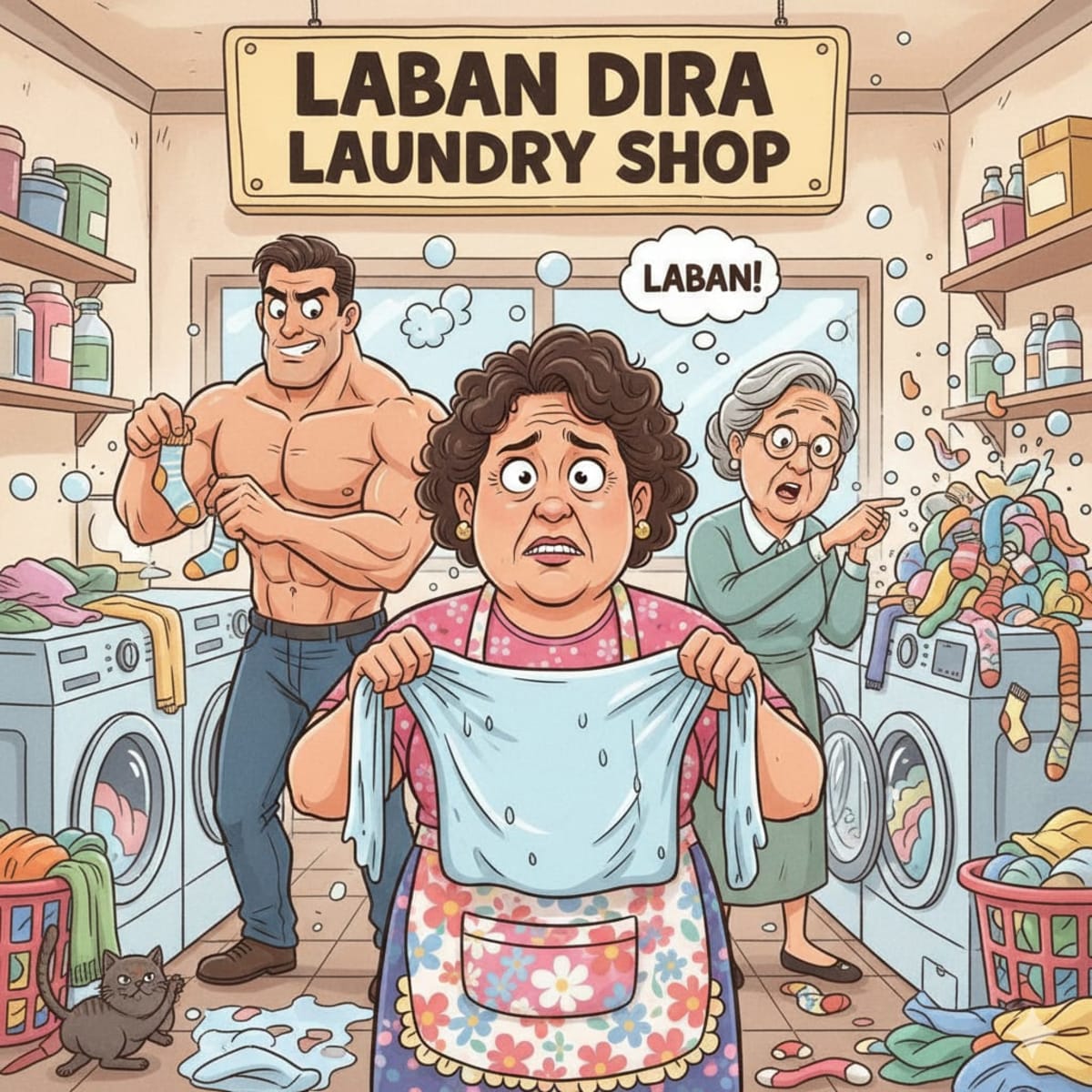
"Laban" means "fight" in Tagalog. "Dira" is a Visayan dialect word. Put them together, and you get "Laban Dira" — which sounds nothing like the original Tagalog "labandera" (traditional female laundry worker), but everything like a Visayan person's playful, slightly exasperated way of saying it.
You have to hear it out loud in a Cebuano accent to truly appreciate the comedy.
The deeper meaning:
This name does something sophisticated: it honors the regional dialect while modernizing the image of the traditional laundry worker. It's saying, "Yeah, we're doing what labandera did — but we're doing it our way, in our language, with our humor."
For customers in the Visayas, this isn't just a laundry shop. It's a business that understands where they're from. That cultural recognition builds loyalty in ways that generic "Express Wash" or "Quick Laundry" names never could.
What this teaches us: In a globalized world, regional specificity builds community trust. The owner acknowledged that their customer base speaks Cebuano, makes Cebuano jokes, and appreciates Cebuano culture. That's not just smart marketing — that's respect.
BeMy Laundry — The OPM Reference That Made a Whole Generation Smile
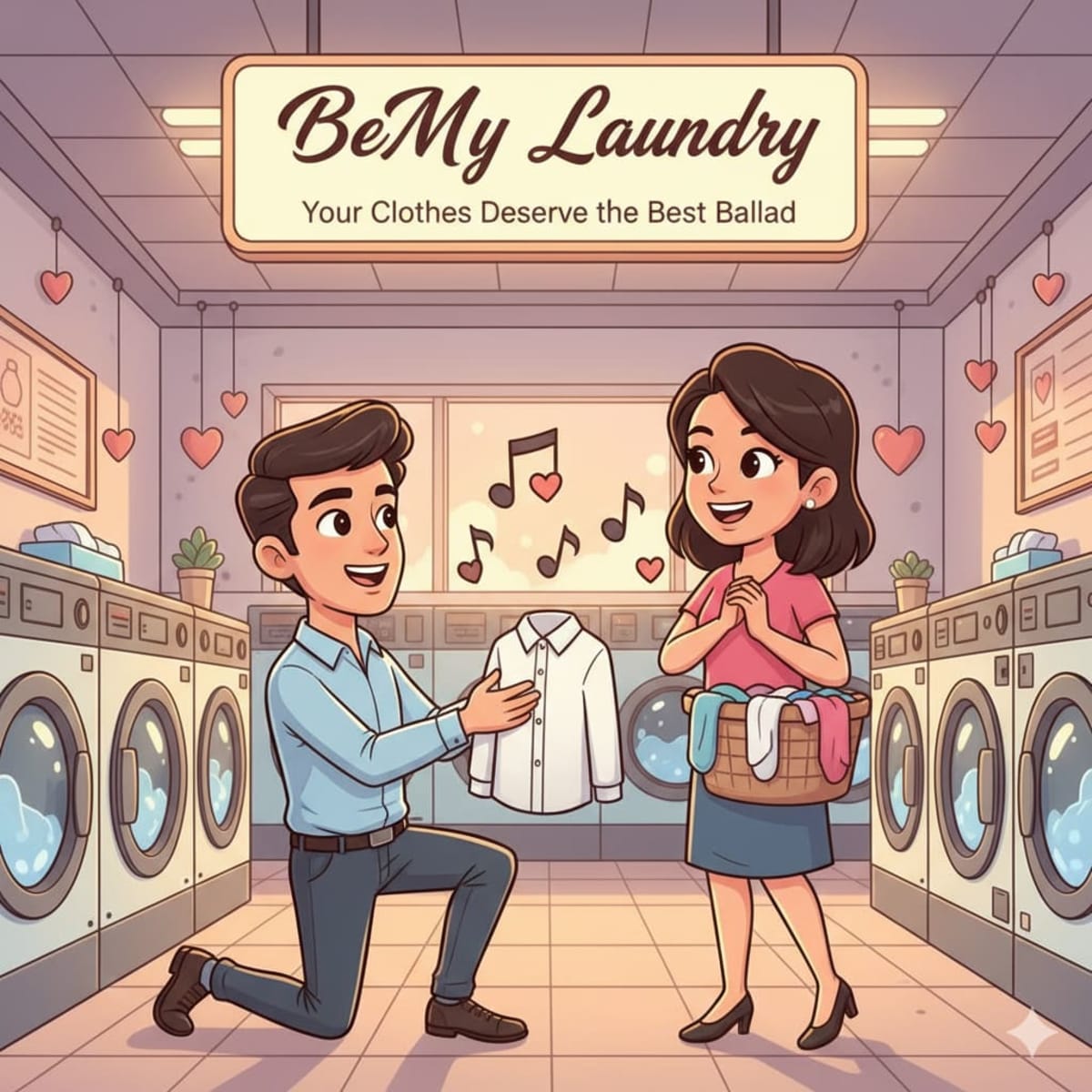
"Be My Laundry" — at first glance, it looks like a grammatical accident. But ask anyone who grew up in the 90s and 2000s in the Philippines, and they'll immediately recognize the reference: Martin Nievera's iconic OPM ballad "Be My Lady."
This is nostalgia engineering.
The owner took one of the most beloved Filipino love songs and reframed it as a commitment to clothing care. Your clothes don't just get washed here — they're cherished like the lady in Martin Nievera's song is cherished.
Why this works:
- ✓Nostalgia creates emotional connection — the moment a customer in their 40s or 50s sees this name, they smile.
- ✓It shows cultural knowledge — the owner understood Filipino pop culture deeply enough to make a sophisticated reference that wouldn't work in any other country.
- ✓It's clever without being off-putting — some shop names try too hard. This one makes the reference clear but doesn't beat you over the head with it.
What this teaches us: The most memorable brands speak to who their customers are, not who they want to be.
Labanderong Kalbo — The Mr. Clean Reference That's Genius

"Kalbo" means bald in Tagalog. "Labandera" is the traditional term for a laundry worker. Put them together, and you're explicitly referencing Mr. Clean — the bald, muscular, spotless-clothes-obsessed icon of cleaning culture.
But here's what makes this brilliant: it's not trying to hide the reference. It's leaning into it completely.
The owner is essentially saying, "This is what we do here. We clean like Mr. Clean would clean." There's no pretense, no corporate speak. Just direct, honest communication about the service quality.
The psychology behind this name:
In the Philippines, Mr. Clean is a recognized figure who's been in advertising for decades. Every customer knows who Mr. Clean is and what he represents: spotlessness, power, dominance over dirt and stains. By naming their shop after him (with the Filipino twist of "Labanderong"), the owner is making a bold promise.
What this teaches us: Strong brand names often use reference points your customers already understand. You don't need to explain who Mr. Clean is or what "kalbo" means. The target audience gets it immediately, and that instant recognition is marketing gold.
Washing Matsing — The Clever Homophone That Makes You Smile Twice

Say "Washing Matsing" a few times, and you'll notice something: it sounds exactly like "Washing Machine."
"Matsing" is Tagalog for monkey. So the owner created a perfect homophone that works on two levels:
- 1.Literally: A shop called "Washing Monkey" — absurdist, memorable, fun.
- 2.Phonetically: It sounds like "Washing Machine" — the exact equipment they use.
This is sophistication masquerading as silliness.
Why this is marketing genius:
The best homophones in branding create a "double-take" moment. Your brain processes the silly literal meaning first, then catches the actual meaning, and suddenly you're smiling at your own realization. That cognitive moment — where you get the joke — makes you remember the name forever.
What this teaches us: Wordplay works because it makes customers feel smart for understanding it. Every person who visits Washing Matsing and realizes the "washing machine" connection feels like they're in on a clever joke.
Wash Ko Lang! — The Casual Tagalog Expression That Became a Business Name

"Wish ko lang" is a super common Filipino expression. It means "I just wish" or "If I had it my way." The expression captures something uniquely Filipino: a relaxed attitude toward life, a sense of humor about not always having control, and an underlying optimism anyway.
The shop reframed this as "Wash Ko Lang!" — "I just want to wash" or more colloquially, "Just my laundry!" It's the linguistic equivalent of a shrug with a smile.
The cultural insight here:
This name works because it taps into something real about Filipino culture. Filipinos value pakikipagkapwa (shared humanity) and humor as coping mechanisms. The name suggests that the shop owner isn't pretending to be fancy or corporate. They're just here to wash clothes, and they're completely okay with that humble mission.
What this teaches us: The most genuine business names don't try to sound impressive. They sound like a real person, from a real place, doing real work. That authenticity is incredibly sticky.
Neatflix Laundry Shop — The Millennial-Coded Reference That's Actually Smart

"Netflix and chill" became a cultural shorthand for relaxation, comfort, and letting someone else handle entertainment. The owner of Neatflix Laundry Shop took that cultural understanding and reframed it: instead of chilling while watching Netflix, you're getting your laundry done while you chill.
The name shifts responsibility from you to the shop in a way that feels modern and permission-giving.
The modern customer insight:
Millennials and Gen Z don't want to do laundry. They want to outsource laundry so they can do literally anything else. Neatflix speaks directly to that desire — reframing laundry as a guilt-free outsourcing opportunity rather than a chore.
What this teaches us: Understanding your target generation's cultural references isn't about being trendy. It's about genuinely understanding what problems they're trying to solve.
What All 7 Names Have in Common
Looking across these seven shops, a clear pattern emerges:
- ✓Each name reflects the owner's understanding of their customer base — not generic, not corporate, but specific.
- ✓Each name makes a quality promise without using the words "best," "premium," or "quality" — showing confidence through humor and cultural knowledge.
- ✓Each name gives customers a reason to remember and recommend the shop. You don't recommend "Quick Express Laundry" — but you absolutely recommend "Washing Matsing."
- ✓Each owner clearly takes their work seriously, even if they don't take themselves seriously. A bad operator doesn't invest time in a creative name.
The Lesson for Finding Great Laundry Services
If you're looking for a reliable laundry shop, pay attention to the name. A memorable, creative name is often a leading indicator of an owner who:
- ✓Understands their customers beyond just "people who need laundry done"
- ✓Takes pride in their work and their business
- ✓Is engaged enough to invest in branding and differentiation
- ✓Likely uses modern tools and has social media presence
- ✓Probably has modern business practices
The flip side is also true: a generic name might still correspond to a great shop, but a creative name rarely corresponds to a lazy operation.
Find These Shops (And Thousands More) on LaundryAtlas
LaundryAtlas is the largest Filipino laundry shop directory, covering Metro Manila, Cebu City, and Davao City. We've catalogued over 1,400 laundry shops with real ratings, reviews, and service information. Whether you're looking for creative spots like these seven or just the closest reliable option, you can browse by city, service type, and customer ratings.
Browse Laundry Shops Near You →Final Thoughts
There's something deeply Philippine about the way these seven shop owners approached their business. They didn't outsource the naming to a corporate branding firm. They didn't run focus groups. They just understood their communities, made themselves laugh, and trusted that the humor would resonate.
That combination of cultural intelligence, humor, and confidence — that's what makes laundry shop names in the Philippines so memorably good.
The next time you spot a laundry shop with a name that makes you smile, remember: that smile is usually a sign that someone who knows their craft is on the other side of that door.
Have you discovered other creative laundry shop names? If you've found another hilariously creative or brilliantly clever laundry shop name in the Philippines, tag us on social media — you might be featured in our next article.
More from LaundryAtlas
Find a laundry shop near you
Browse 1,400+ verified laundry shops across the Philippines.
Related Articles
Interior Designer · Chief Design Officer · Travel Writer
Ria is an interior designer with 26+ years of experience and CDO at a growing Philippine construction firm. A former decade-long Makati condo dweller, she writes about urban living, laundry shop culture, and city life across the Philippines. Read full bio →